
Advertising Agency for Automotive and Mobility Brands
In automotive, a brand reaches the customer through dealers, service points and campaigns. As an advertising agency, we build a system that looks the same at every stop on that journey and translates products from technical codes into benefits people understand.
The Industry's Brand Problem
The first problem for automotive and mobility brands is consistency across the dealer network. The manufacturer or distributor sets an identity, but each dealer produces its own social posts, campaign posters and showroom displays with whatever resources it has. Before long the same brand speaks in different colours, different pricing styles and very different image quality from one city to the next. For the customer, every one of those differences reflects on the reliability of one brand.
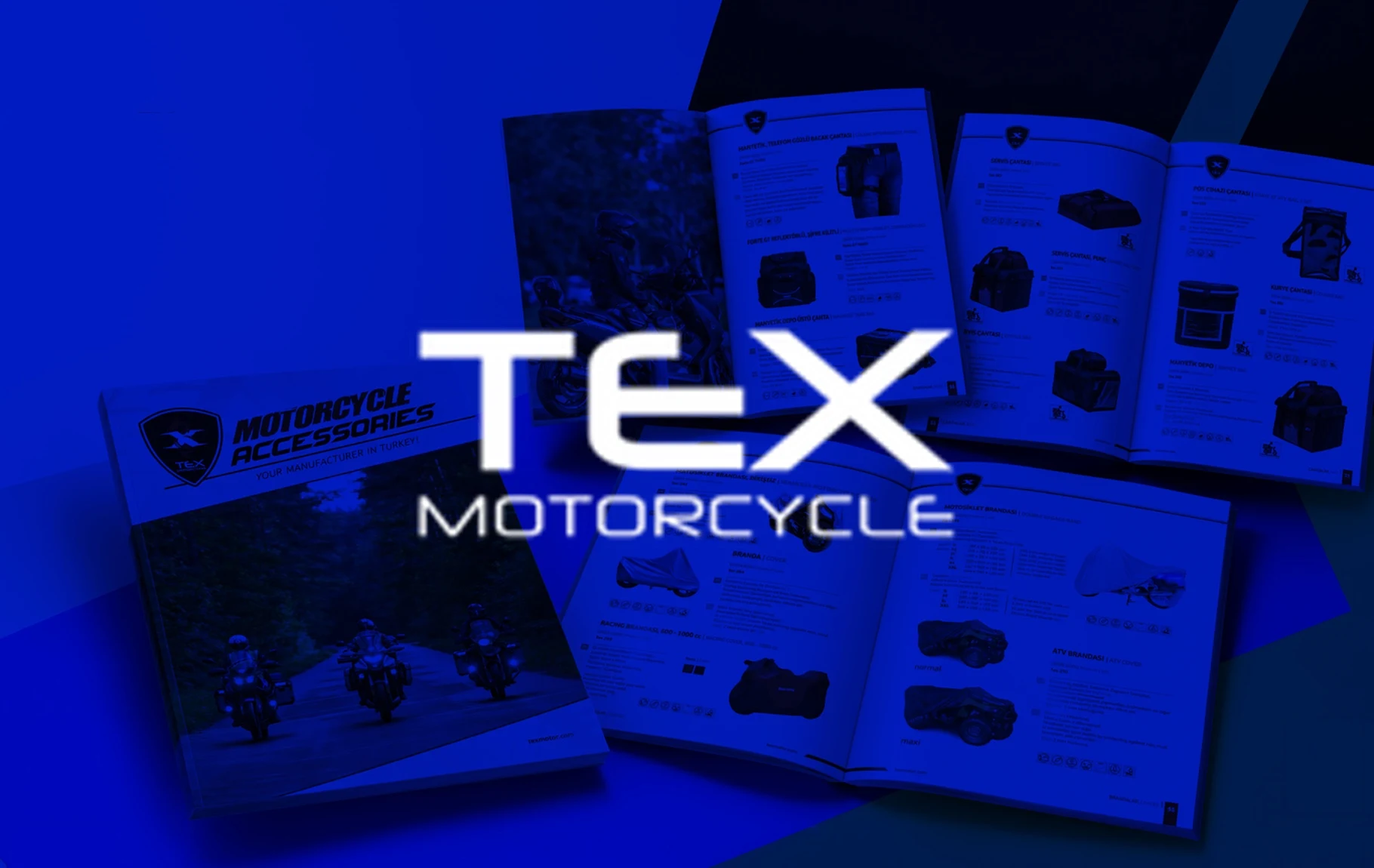
The second problem is technical language. Viscosity grades, engine displacement, battery capacity or model-year compatibility say a lot to a specialist and very little to the end user. At Lukoil we saw that codes like 10W-40 carry no benefit for a driver, and at Tex Motor that a wrong model match means returns and lost time at the dealer.
The third problem is several brands under one roof. A distributor may sell both conventional and electric models, and two models from the same brand may target completely different people. With Kanuni and Super Soco, both run by Kuralkan, the real job was letting the two brands stand side by side without blurring into each other. Within Kanuni, the Tigrina and Trodon models also had to be told separately to very different riders.
Finally, the category is highly exposed to price competition. In car rental everyone promises the lowest price; at Eurodrive we found that customers' real complaint was not the price but the surprise charges at pick-up. Communication that competes on price may draw attention in the short term, but it leaves the brand with no reason of its own to be chosen.
How We Approach It
01
Identity and templates for the dealer network
We deliver the identity not just as a logo manual but as ready-to-use templates dealers can work with directly: campaign visuals, social posts, price badges and showroom applications. The dealer adds its own details; the brand language stays the same. Templates are prepared separately for digital and print use and updated centrally in one go at the start of each campaign period.
02
From specification to benefit for automotive brands
We define one benefit line for each product and treat the codes and specifications as secondary information. On the B2B side we do the opposite: for dealers and mechanics, we lay out model compatibility and technical dimensions so they can be found as fast as possible. The same product is then explained to both drivers and dealers in their own language.
03
Distinct brands under one roof
When a group has several brands or models, we give each one its own visual language and message line based on its audience. Once the brand architecture is clear, the communication budget goes into lines that complement each other rather than campaigns that cannibalise each other. What they keep in common is the distributor's assurance and corporate signature.
04
Campaigns, social media and ad management
We build a content calendar around the driver's agenda: seasons, service intervals and key dates. We manage creative and audience targeting for Google and Meta ads in the same team, and design pages that take visitors to a booking, a dealer locator or an online purchase. Before a campaign starts, we also agree with you how demand from ads will be measured.
Our Work in This Industry
Brands We Work With in This Industry





Our Services for This Industry
- Corporate Identity We engineer visual identity systems that embody character, commanding trust across every touchpoint.
- Digital Experience We engineer high-conversion, fluid digital platforms that embody your brand's vision.
- Systems & Growth We build design systems and growth infrastructures that protect creative vision from fragmentation.
Frequently Asked Questions
How do you standardise corporate identity across car dealers?
The most effective way is to give dealers templates they can use directly, alongside the brand guidelines. Logo placement, colour, typography and price display stay fixed; the dealer only changes its own offer and contact details. That keeps things consistent without the central team having to approve every single visual. A short onboarding session for dealers also helps the templates get used properly.
What should an automotive brand post on social media?
Model launches alone turn the feed into a catalogue. Balancing product posts with seasonal preparation, service reminders, tips and offers connects with what drivers are actually thinking about. Every post should make the next step obvious: a test drive, a booking, the nearest dealer or an online purchase.
How should a car rental company approach advertising?
Rather than competing on price, answering the customer's real worry gives a more lasting reason to choose you. Transparent pricing, an easy pick-up process and a standard fact box for each vehicle make the booking decision easier. Separate creative and targeting for different audiences, such as holidaymakers and business travellers, also helps the budget go further.
How do you design a spare parts and accessories catalogue?
In a parts catalogue, model compatibility matters most. Make, model and year matches should be laid out in tables, with mounting points and dimensions shown visually. Colour-coded section tabs and a consistent product code hierarchy help mechanics and dealers find the part they need quickly. The same structure can serve both the printed catalogue and an online parts search.
How should an electric vehicle brand communicate differently?
EV buyers question the technology, range and charging before they look at design. Communication should therefore bring the technical components forward one at a time, in plain terms. If the same group also sells combustion models, the electric brand's visual language should deliberately set itself apart; otherwise the difference stays invisible.
Google Ads or Meta ads for automotive?
They do different jobs. Google Ads captures people already searching for a model, a service or a rental car; Meta ads build interest and demand among people who have not started searching yet. For most automotive brands, running both together with shared creative and measurement makes for a healthier setup. The budget split depends on the goal: launching a new model and filling service appointments call for different setups.
Let's Give Your Growth a Clear Direction.
Let's start with a strategic conversation that unlocks your brand's potential.
Get in Touch