Branding Agency for Construction and Real Estate Brands
In construction and real estate, buyers are asked to trust a building that does not exist yet. As a branding agency, we build your corporate brand and your project brands into one system that carries that trust from launch to handover.
The Industry's Brand Problem
The core problem for construction and real estate brands is trust. Homes and offices are usually sold before they are finished, so the buyer decides on the strength of a render, a floor plan and the developer's name. Every touchpoint, from the logo to the website to the sales office, has to answer the same question: will this company deliver what it promises? However strong the model, brochure and ads in the sales office, if the brand itself does not inspire confidence, the decision gets put off.
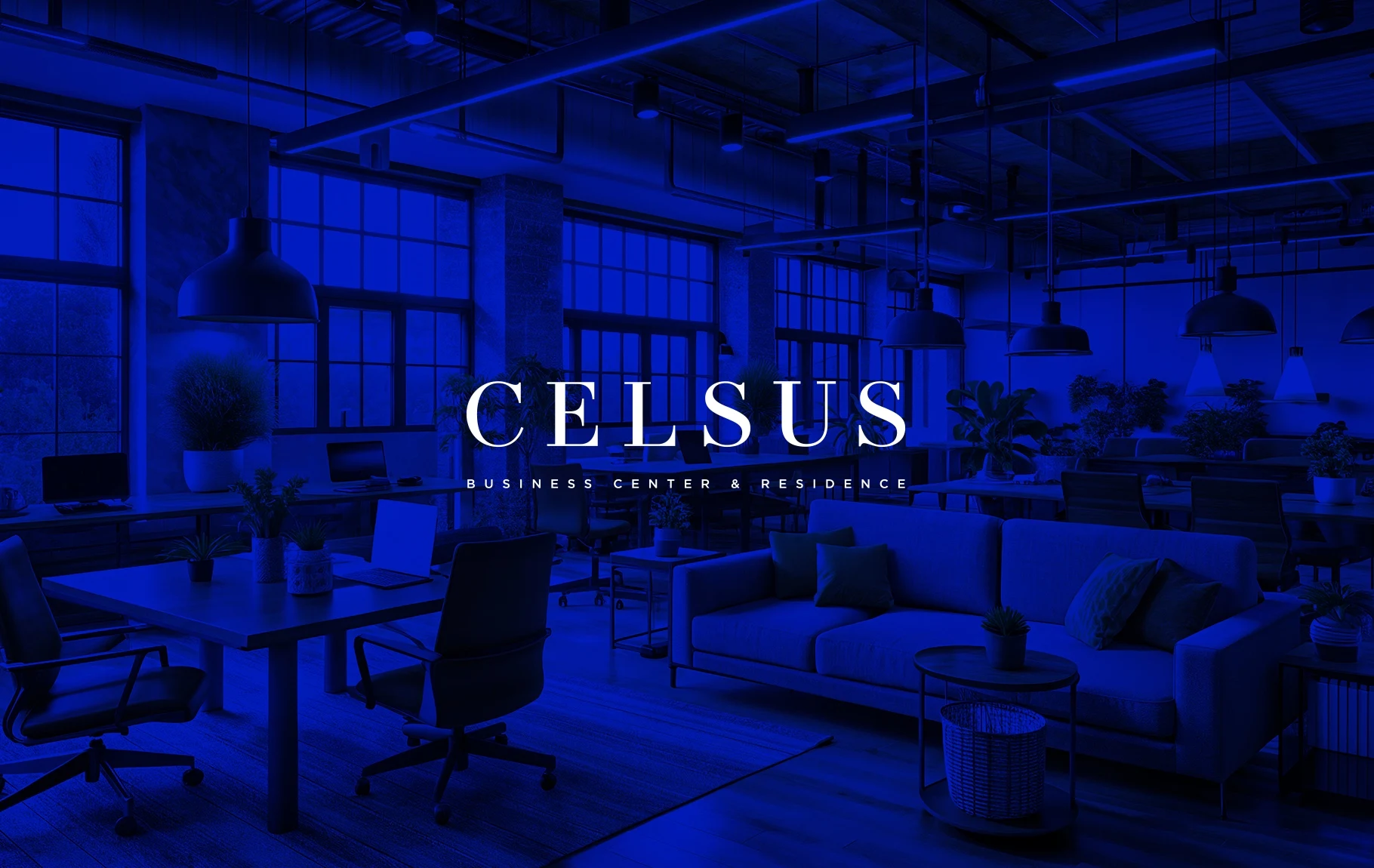
The second problem is sameness. Most communication in the sector circles around location, square metres and price, and the posts are hard to tell apart from property listings. That was the picture at Alcons İnşaat and Celsus: strong projects, but a feed that read like a listings board. At Celsus, the brand's strongest card, flexible leasing, was buried at the bottom of the copy.
The third problem is the balance between project and company. Every new project wants its own name, logo and launch. The louder the project brand, the quieter the corporate brand, and once the project sells out there is no name left for people to remember. While running the Villa Vera launch for Çağıner, we deliberately kept these two layers apart.
Finally, there is no single buyer. A family looking for a home, an investor weighing rental yield, a company looking for office space and a parent choosing a student residence all expect something different from the same brand. At Pira Pera we saw that the student usually makes the choice while the family pays, and that demand follows the academic calendar. Communication that cannot tell these buyers apart ends up speaking to none of them.
How We Approach It
01
Corporate and project brand architecture
We start by defining how the corporate brand relates to its project brands: where the company name leads and where a project steps out with its own identity. This brand architecture means every launch adds to what has been built instead of starting from zero. How projects and sub-brands are named is settled at this stage too.
02
Corporate identity for construction firms
We design the logo to work not only on screen but on site hoardings, signage, in the sales office and in the handover pack. Colour, typography and photography are set up so that renders and real photographs can sit comfortably in the same system. The identity guidelines make sure every application comes out to the same standard, whoever the contractor or printer is.
03
Taking the launch beyond listings language
We split project communication into clear axes, such as the return on investment and the promise of a way of life. Social media, ad creative and sales materials are produced from one template system, so the brand holds together even when the campaign speeds up. The presentations, brochures and price lists the sales team uses become part of the same system.
04
A website that proves you can be trusted
We treat a real estate website as a decision tool rather than a brochure: project details, location, floor plans, payment options and contact in one flow. Visitors arriving from Google and Meta ads land on pages where they find what they came for quickly. Completed projects and construction progress imagery are given prominence as the site's strongest proof of trust.
Our Work in This Industry

Brands We Work With in This Industry

Our Services for This Industry
- Brand Strategy We establish the strategic foundation and positioning that lifts you out of price competition.
- Corporate Identity We engineer visual identity systems that embody character, commanding trust across every touchpoint.
- Digital Experience We engineer high-conversion, fluid digital platforms that embody your brand's vision.
Frequently Asked Questions
What makes a good logo for a construction company?
A construction logo should be simple, legible from a distance and still work at small sizes. It has to read just as clearly on a site hoarding, a hard hat, a vehicle wrap and a website. Overused images such as roofs, house outlines or cranes make a brand look like its competitors; a distinctive letterform or a clean mark usually lasts longer.
What should a real estate project website include?
It should bring together everything a buyer needs to decide: location and surroundings, unit types and floor plans, visuals, specifications, payment options and a quick way to get in touch. Showing what stage the project is at, and what the developer has already delivered, builds trust. Visitors coming from ads also need pages that load fast on mobile and keep forms short. If you also sell to international buyers, the site needs to be available in more than one language.
Does every project need its own logo and identity?
Not always; it depends on your brand architecture. Large, long-running projects can sell better under their own name and identity, but how that identity links back to the corporate brand should be decided up front. Otherwise every project looks like a separate company, and the reputation it earns never transfers to the developer. In practice, most developers work with project identities that have their own character but carry the corporate brand's signature.
What should a real estate brand post on social media?
An account that only posts listings soon turns into a property noticeboard. Splitting content into axes, such as the investment side (yield, payment plan, the value of the location) and the living side (architecture, surroundings, everyday life), gives the feed a rhythm. Regular construction progress updates are also the most concrete proof of reliability a buyer can see. Sharing sales office visits and handover moments also shows the brand alongside real people.
What does a branding agency do for a project launch?
For a launch, a branding agency builds the project name and identity, sales office and site materials, website, social media and ad creative in one language. At New Matter we cover this across strategy, visual identity, digital experience and Google and Meta ad management. That way every touchpoint a buyer sees during the launch repeats the same promise.
When does a construction company need a rebrand?
A rebrand comes up when a developer moves from housing into commercial or mixed-use projects, expands into a new region, or finds its corporate identity lagging behind its project brands. A logo that does not read well on screen, or a different language on every project, are strong signals too. Rebranding rarely means starting from scratch; more often the existing equity is kept and the system is rebuilt around it.
Let's Give Your Growth a Clear Direction.
Let's start with a strategic conversation that unlocks your brand's potential.
Get in Touch